


Brain Injuries: Prevention and Awareness
A brain injury can happen in seconds, but awareness and prevention can make a lasting difference.
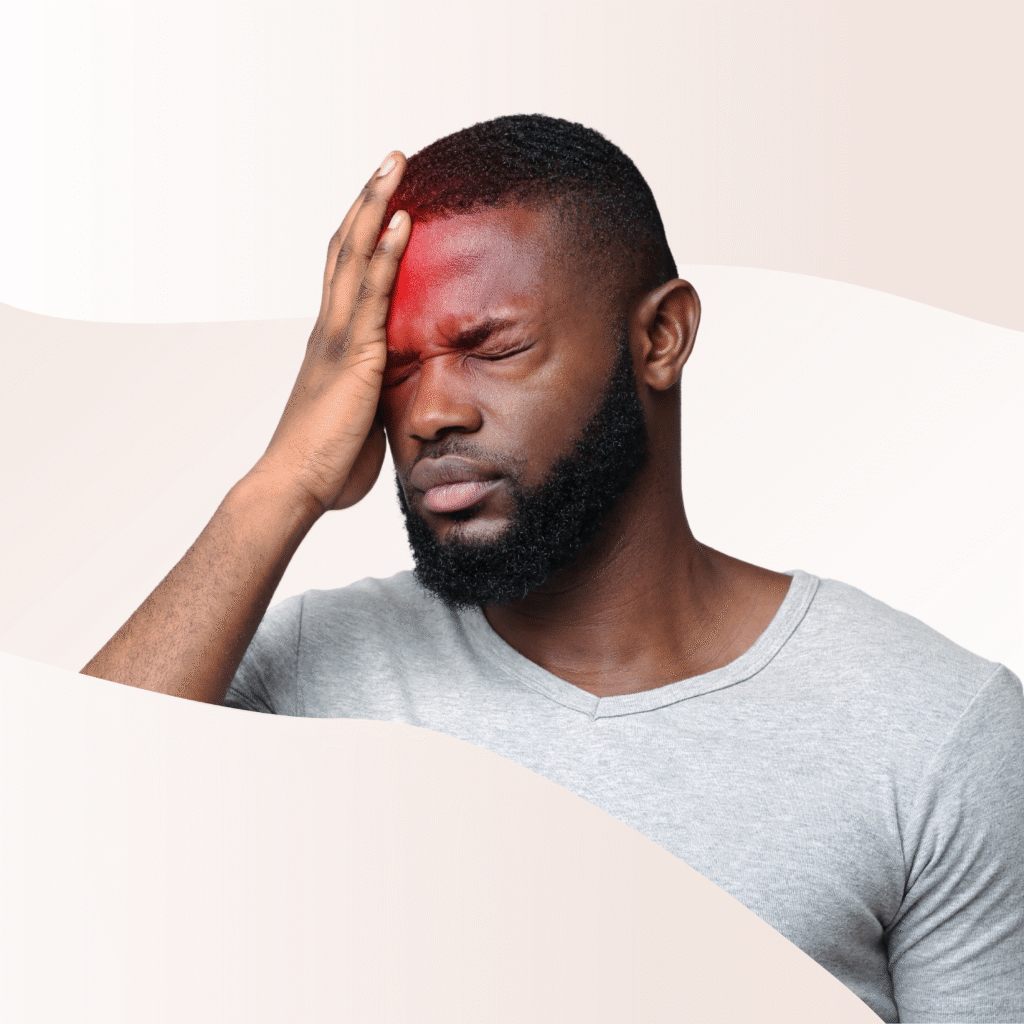
Brain injuries can happen in many workplaces, from offices and schools to construction sites and health care settings. Building safer workplaces starts with recognizing risks, controlling hazards and making sure workers know what to do if an injury happens.
What is a brain injury?
A brain injury affects how the brain works and one common type is a concussion, affecting the way a person thinks, feels and acts after a blow to the head, face, neck or body. In a workplace, concussions can result from falls, vehicle incidents, being struck by an object, or other events that cause the brain to twist or move suddenly inside the skull.
Brain injuries can be overlooked because the signs are not always visible: They may not show up on imaging, and a person does not have to lose consciousness for it to be serious. Symptoms can include headache, dizziness, nausea, light sensitivity, fatigue, memory problems and difficulty concentrating. When workers and supervisors understand these warning signs, they are better prepared to respond quickly, seek medical attention when needed and prevent a second injury or worsening of a current injury.
How to prevent brain injuries at work
Prevention starts with identifying the tasks and conditions that could lead to head injuries. In many workplaces, common risks include slips, trips and falls, struck-by hazards, moving vehicles or equipment, falling objects and work at heights. Employers, supervisors and workers all have a role in recognizing hazards and taking action. Practical steps can include keeping floors and walkways clear, cleaning up spills promptly, improving lighting, maintaining equipment, and making sure workers use required protective equipment. Training, supervision and regular inspections also help reduce risk.
Awareness campaigns are most effective when they are part of a broader health and safety program. That means reviewing incidents and near misses, involving the Joint Health and Safety Committee (JHSC) or Health and Safety Representative, refreshing training, and reminding workers to report hazards and defective protective equipment.
What to do after a suspected brain injury
A suspected brain injury should always be taken seriously. Seek urgent medical help for emergency warning signs, such as loss of consciousness or seizure. Even when symptoms seem mild, workers should report the incident, stop unsafe work and get assessed by a physician or nurse practitioner. Symptoms may develop later so workplaces should encourage monitoring, documentation and follow-up. Clear reporting processes and supportive supervision can make it easier for workers to speak up and get care early.
Everyone in the workplace has a role in keeping each other safe. When workplaces act on concerns and continuously improve controls, they help reduce the risk of serious injuries.

