


Fire Safety in Care Occupancies
Protecting vulnerable residents with fire safety measures
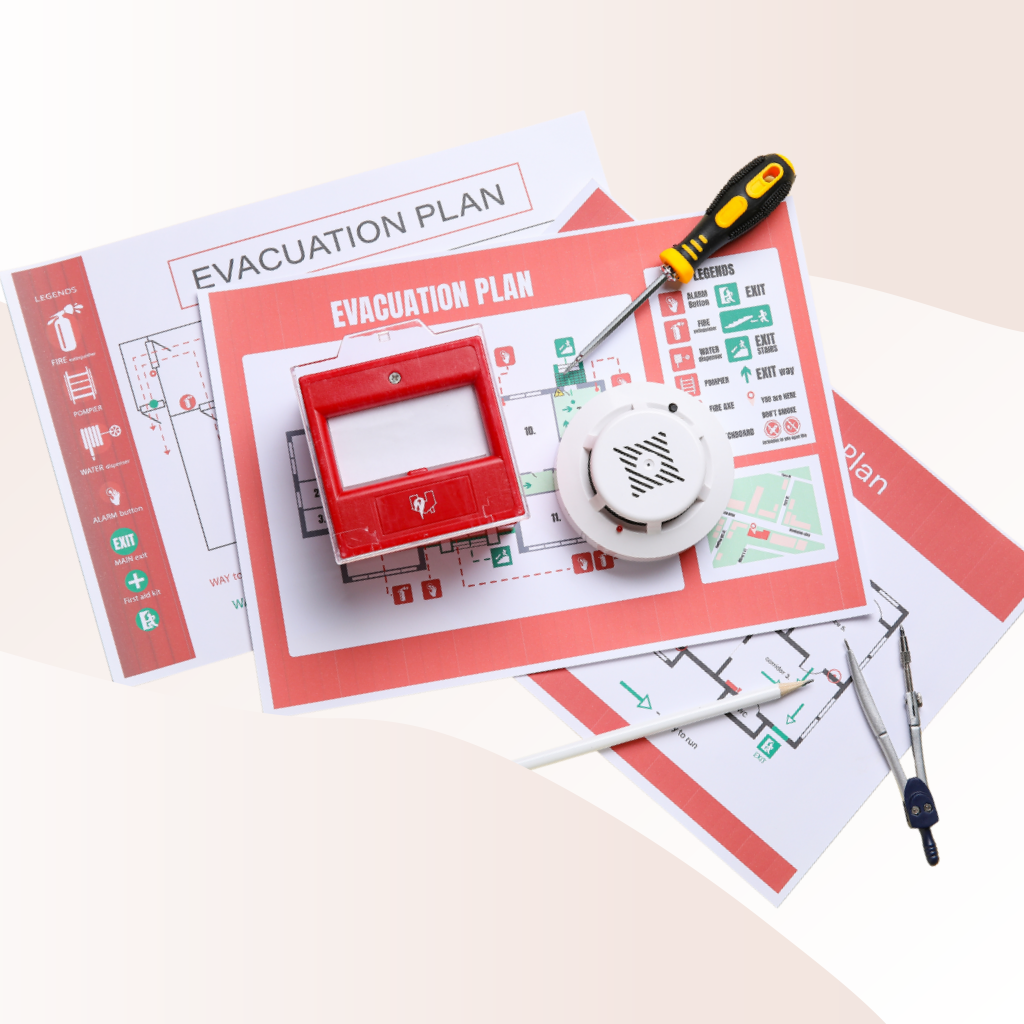
The importance of fire safety
Fire safety is a critical concern in care occupancies, which include long-term care homes, retirement residences, and other facilities housing vulnerable populations. Residents of these facilities often have limited mobility, cognitive impairments, or other health challenges that make rapid evacuation difficult. As a result, the risk associated with fire emergencies is significantly heightened. Ensuring fire safety in care occupancies is not only a legal requirement under Ontario’s fire code, but a moral responsibility to protect the lives of those who may not be able to protect themselves.
Fire safety in care settings involves a comprehensive approach that includes:
- A fire safety plan
- Installation and maintenance of fire suppression systems
- Regular inspection of electrical equipment
- Safe storage of flammable materials
- Regular fire drills
- Staff training
- Clear communication protocols
- and more
The Ontario fire code mandates that all care occupancies must have measures in place to minimize the likelihood of fire and ensure that, if a fire does occur, residents and staff can evacuate or shelter in place safely.
Fire safety plans save lives
One of the most effective tools for safeguarding care occupancies is a well-developed fire safety plan. A fire safety plan is a document that outlines:
- Training requirements
- Staff responsibilities
- Evacuation procedures
- Fire prevention measures
- protocols for responding to fire alarms
- and more
These plans are tailored to the unique needs of each facility, taking into account the layout, resident capabilities, and staffing levels. In Ontario, fire safety plans must be reviewed and updated annually, or whenever there are significant changes in building structure, occupancy, or staffing. This ensures that plans remain current and effective as the facility evolves.
It’s important to emphasize the need for regular training and drills to ensure that all staff are familiar with the fire safety plan and can act quickly in an emergency. Practice drills help identify potential problems—such as blocked exits or confusion during evacuation—and allow facilities to refine their procedures. In a real fire situation, clear roles and practiced actions can mean the difference between life and death.
Resources and tools from PSHSA
PSHSA provides tools and resources to help care occupancies enhance fire safety, including:
- Guide: Community Care: A Tool to Reduce Workplace Hazards
- Self-paced eLearning: Fire and emergencies for the safety in deliver of community services
- Self-paced eLearning: Improving Fire Safety for Vulnerable Ontarians: Training for Owners/Operators of Care
- Self-paced eLearning: Improving Fire Safety for Vulnerable Ontarians: Training for Supervisory Staff of Care Occupancies, Care and Treatment Occupancies and Retirement Homes
By investing in comprehensive planning, regular training, and ongoing evaluation, care facilities can create an environment where the risk of fire is minimized and the ability to respond to emergencies is maximized

