


“I can’t hear you!” Protecting Workers from Noise While at Work
Understanding noise exposure, its effects, and steps for prevention
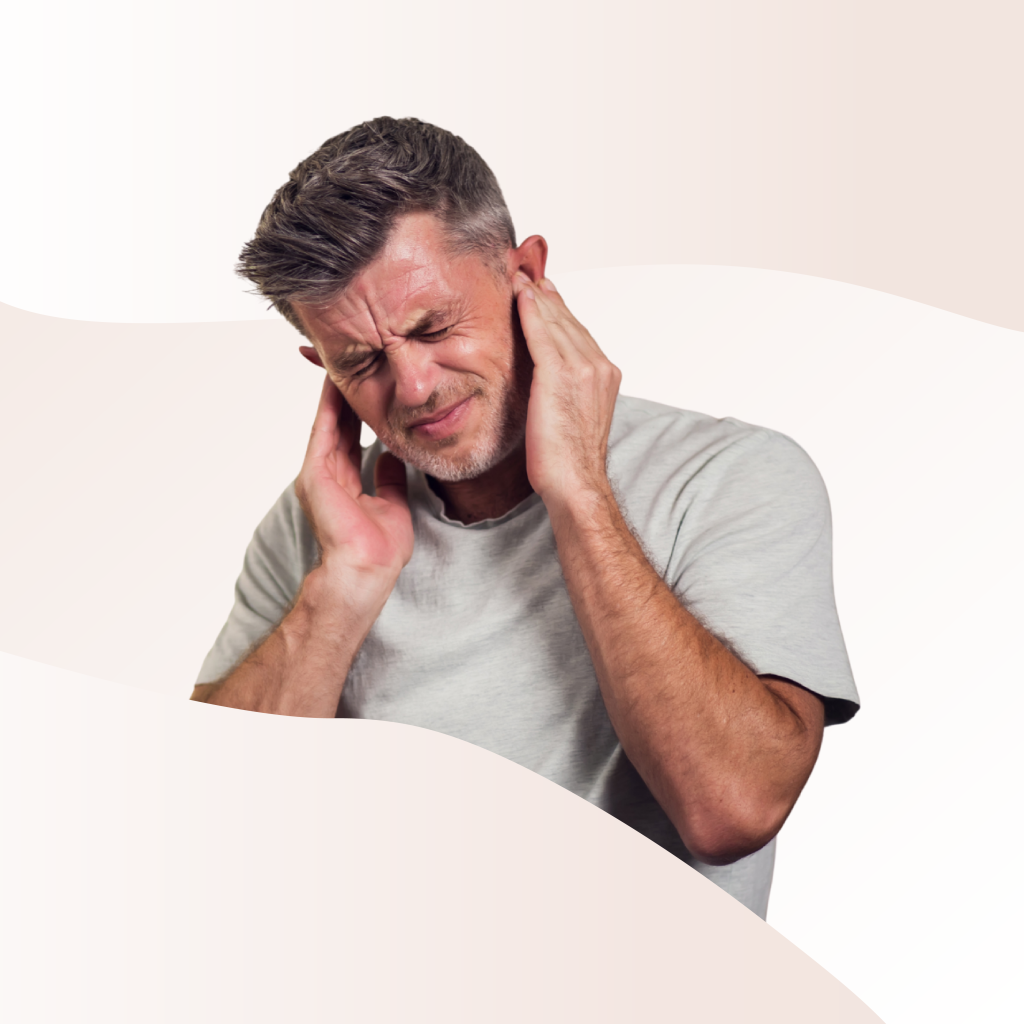
Noise exposure and its effects
Noise is one of the most common occupational hazards in Canadian workplaces. In Ontario, thousands of workers are exposed to hazardous noise levels each year, putting them at risk of noise-induced hearing loss (NIHL). The effects of noise can extend beyond hearing loss, contributing to stress, fatigue, and even increased risk of accidents due to communication difficulties and reduced awareness of warning signals.
Prolonged exposure to noise levels above 85 decibels (dBA) can cause hearing damage. For reference, this is about as loud as a busy urban street or a gas-powered lawn mower. The damage often happens gradually, making it difficult for workers to notice until it’s too late. Symptoms can include ringing in the ears (tinnitus) and trouble understanding speech.
Ontario’s Occupational Health and Safety Act (OHSA) and its Noise Regulation (O. Reg. 381/15) set out requirements for employers to protect workers from hazardous sound levels. Employers must take all reasonable measures to reduce noise exposure and provide adequate hearing protection and training for workers. This includes assessing noise levels, informing workers of potential risks, and monitoring workers’ hearing health over time.
Preventing injury from noise exposure
Preventing hearing loss and injury from noise includes the following:
- Elimination and Substitution: The most effective way to control noise is to eliminate the source altogether or substitute it with quieter equipment or processes.
- Engineering Controls: If elimination isn’t possible, engineering solutions such as installing barriers or enclosures, maintaining machinery, or using dampening materials can help reduce noise at its source or along its path.
- Administrative Controls: These include rotating workers to limit their time in noisy environments, scheduling noisy tasks when fewer workers are present, and clearly marking high-noise areas.
- Personal Protective Equipment (PPE): Hearing protection devices like earplugs or earmuffs should be provided and properly fitted when noise cannot be otherwise reduced. PPE is considered the last line of defence and should not be the only measure in place. PSHSA has a PPE self-paced eLearning program that’s here to help.
Employers have a legal responsibility to implement a noise control program if exposure exceeds regulated limits. This includes regular noise assessments, worker education and training, and audiometric (hearing) testing programs. Workers, for their part, should participate in training, use hearing protection correctly, and report any concerns about noise in their workplace.
Noise-induced hearing loss is preventable. By understanding the risks, following legal requirements, and using best practices for noise control, we can ensure the hearing safety of workers.
Protect your ears today for a safer, healthier tomorrow.

