


Keeping Workers Safe with Personal Protective Equipment (PPE)
Understanding the Importance of PPE in Ontario workplaces
What is Personal Protective Equipment (PPE)?
Personal protective equipment, commonly known as PPE, refers to the clothing and equipment designed to protect workers from workplace hazards that cannot be eliminated or adequately controlled through other means. PPE acts as a barrier between the worker and potential dangers such as chemical exposure, physical injuries, airborne contaminants, and biological hazards. In Ontario, the use of PPE is regulated under the Occupational Health and Safety Act (OHSA), and employers are required to ensure that appropriate PPE is provided, maintained, and used correctly by employees. PPE is an essential aspect of a comprehensive workplace health and safety program.
Why PPE is important
The primary purpose of PPE is to minimize the risk of injury or illness resulting from workplace hazards. Even with extensive controls in place, some hazards may remain due to the nature of certain jobs or unpredictable situations. PPE provides workers with an additional safeguard, helping to reduce the severity and frequency of incidents. OHSA and its regulations mandate employers to identify and assess workplace hazards and ensure workers have the proper protective equipment. Failing to use PPE correctly can lead to serious injuries, lost time, and even fatalities.
Types of PPE
There are various types of PPE, each designed to protect against specific hazards. Common categories include:
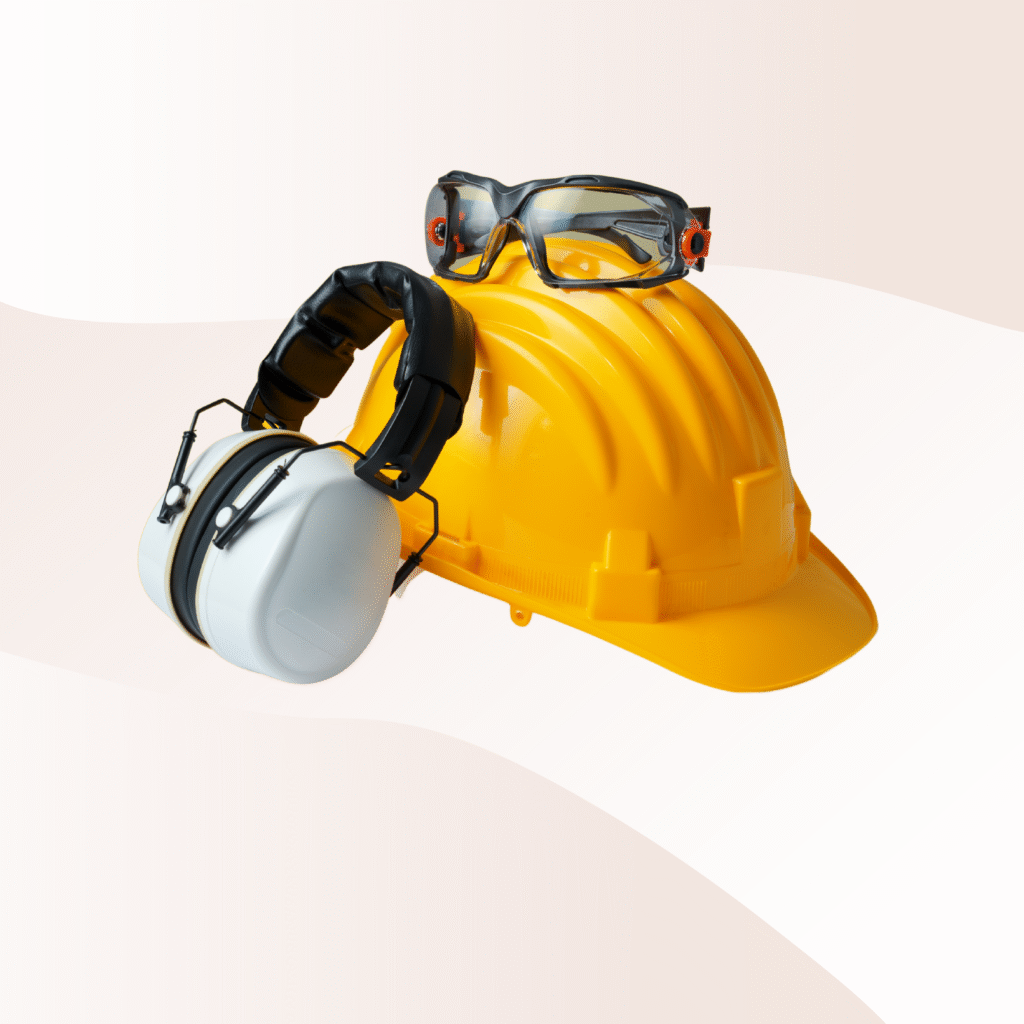
- Head Protection: Hard hats and helmets protect against falling objects and electrical hazards.
- Eye and Face Protection: Safety glasses, goggles, and face shields safeguard against flying debris, chemical splashes, and radiation.
- Hearing Protection: Earplugs and earmuffs reduce exposure to harmful noise levels.
- Respiratory Protection: Respirators and masks shield the lungs from hazardous dust, fumes, vapours, and biological agents.
- Hand Protection: Gloves are available in various materials to defend against cuts, abrasions, chemicals, and heat.
- Foot Protection: Safety boots and shoes can prevent injuries from crushing, punctures, slips, and electrical hazards.
- Body Protection: Coveralls, aprons, and high-visibility clothing are used to protect against chemical exposure, burns, and visibility risks.
- Skin Protection: Barrier creams and special clothing prevent contact with harmful substances.
Selecting the right type of PPE depends on the identified hazards in the workplace. Employers and workers must work together to ensure the equipment fits properly, is comfortable, and is maintained in good condition.
Fall protection: Working at heights PPE
Working at heights presents unique risks, and fall protection PPE is crucial for workers in construction, maintenance, and other sectors where falls from elevation are possible. The OHSA and it’s regulations require employers to provide fall protection systems when workers are exposed to fall hazards. Typical working at heights PPE includes full-body harnesses, lanyards, lifelines, and anchor points, all of which must meet the standards set out in provincial regulations.
The effectiveness of fall protection PPE relies on proper selection, fitting, inspection, and use. Workers must ensure that their harnesses are worn correctly, connected to appropriate anchor points, and inspected before each use for wear or damage. In addition to PPE, employers must implement safe work practices and provide adequate training, like PSHSA’s working at heights training, to ensure workers understand how to use fall protection equipment safely.
PPE training
Training is essential to ensure that PPE is used effectively. Under the OHSA and its regulations, employers are responsible for providing training on the correct use, maintenance, limitations, and storage of PPE. Effective training programs, like PSHSA’s self-paced PPE eLearning program, include key PPE information including hazard assessments, fitting procedures, care routines, and regulatory requirements
With effective PPE training, individuals can enhance their safety knowledge and ensure compliance with workplace safety standards.

