


Slips, Trips and Falls Are Preventable Workplace Injuries
A practical guide to recognizing hazards, reducing risk, and starting meaningful safety conversations at work.
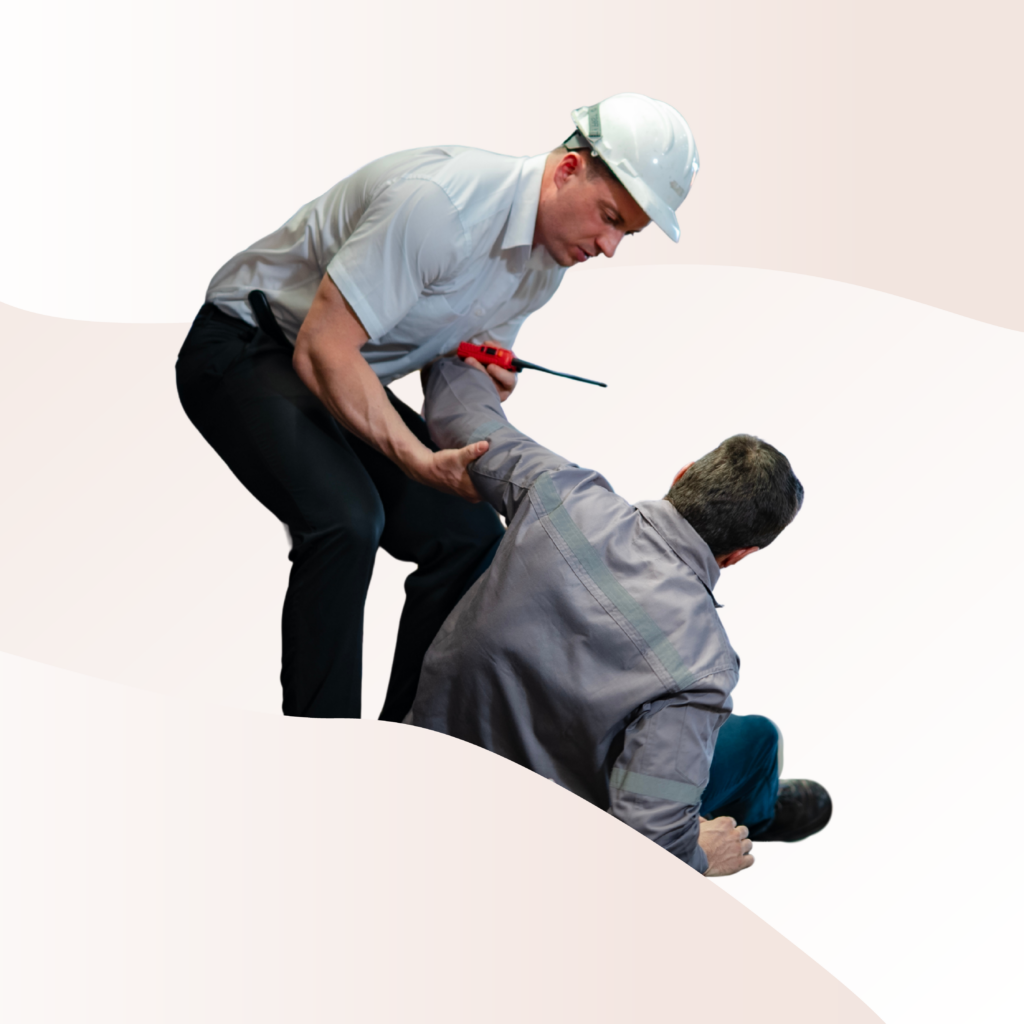
Slips, trips and falls (STF) can happen in any workplace, no matter the sector and type of work. STFs are among the leading injuries that cause workers to miss time at work and can happen anywhere, anytime. Injuries are preventable when workplaces identify hazards, apply controls, train workers and keep safety conversations active.
What are slips, trips and falls?
Slip: A slip happens when there is too little traction between a person’s footwear and the walking surface, often because of wet, oily, icy or dusty conditions.
Trip: A trip happens when a foot strikes or catches on an object, uneven surface or change in level.
Fall: A fall can result from either a slip or trip, or from working at height, using ladders, climbing steps, moving between vehicles and loading areas, or navigating poorly maintained walkways.
Common hazards include spills, snow and ice, unsecured mats, debris and cables in walkways, poor lighting, unsuitable footwear, unsafe ladder use, missing guardrails and poorly maintained equipment. These hazards can change throughout the day, so prevention depends on regular observation, prompt reporting and timely correction.
Preventing slips, trips and falls
Prevention starts with recognizing that everyone has a role. Employers must take every reasonable precaution to protect workers, provide information, instruction and supervision, and make workers and supervisors aware of STF hazards. Workers must report hazards, use required protective equipment or clothing, and report missing or defective equipment that could endanger themselves or others.
Practical controls can include keeping walking surfaces clean and dry, clearing clutter, repairing uneven floors, improving lighting, managing snow and ice, securing mats, maintaining ladders and equipment, and selecting footwear suited to the task and environment. Workplaces should also use policies, procedures, inspections and checklists to make prevention consistent rather than reactive. PSHSA has a number of resources to help you get started.
Training is essential in the prevention of STFs. Here are a few courses offered through PSHSA:
STF Prevention eLearning
PSHSA’s Slips, Trips and Falls Prevention eLearning course provides awareness of Ontario legislation, workplace duties and responsibilities, hazard recognition, controls, and the components of a prevention program. The course can also be completed at your own pace from anywhere, at any time.
Ladder Safety eLearning
For many workers, the use of ladders is common in their workplace. Staying safe on ladders is essential and PSHSA’s Ladder Safety eLearning course is here to help workers stay safe on ladders through best practices and common hazards.
Working at Heights Certification
Individuals working at heights are required to undergo training through a Ministry of Labour, Immigration, Training and Skills Development (MLITSD) approved provider. PSHSA’s Working at Heights private delivery program is a full-day course that covers essential information about how to work at heights safely and offers an opportunity for the practical application of skills.
Hosting a workplace safety talk
A safety talk is a great way to keep STFs visible before an incident occurs. Start by asking workers where they see risks in their daily work, including entrances, hallways, storage areas, stairs, parking lots, loading areas, outdoor paths and patient or client care spaces. Encourage workers to share near misses, seasonal concerns and tasks where rushing, carrying items or poor visibility could increase risk.
The goal is to turn awareness into action: See the hazard, report it, control it and check that the control is working.
The goal is to turn awareness into action: See the hazard, report it, control it and check that the control is working.

