


Ergonomics and the Prevention of Musculoskeletal Disorders (MSDs)
Fit the work to the worker—and help prevent pain before it starts.
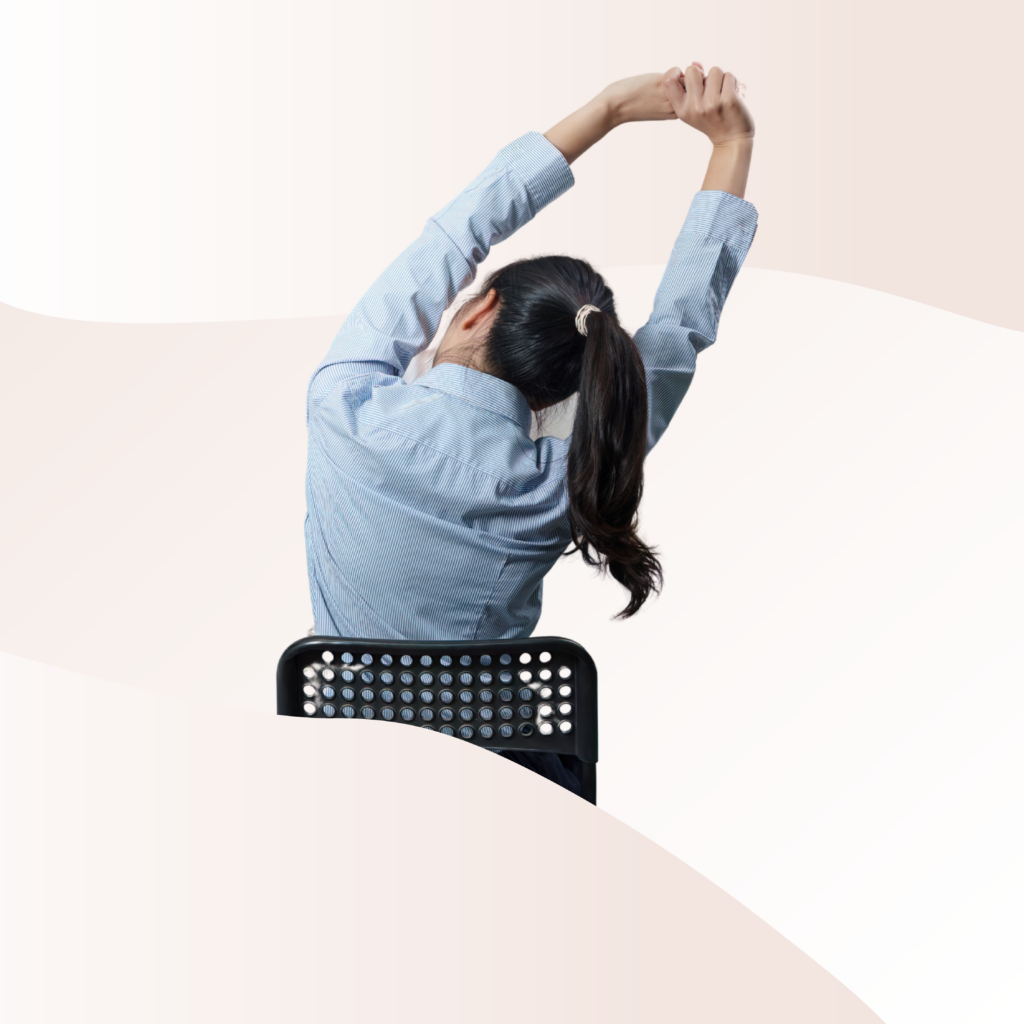
Whether the work involves providing hands-on care, working at a computer or beyond, the way a job is designed can affect comfort, safety and performance. Ergonomics helps workplaces identify when job demands may exceed a worker’s capabilities and make practical changes before discomfort becomes an injury.
What is ergonomics?
Ergonomics is the science of fitting a job or task to a worker’s physical and mental capabilities. It considers how people interact with tools, equipment, workstations, environments and work processes. Good ergonomic design can reduce injuries and health disorders while improving comfort, productivity and work quality. In practice, this may mean adjusting a workstation, reducing the force needed for a task, changing how materials are handled or organizing work to limit prolonged and repetitive demands.
What are MSDs
Musculoskeletal disorders (MSDs) are injuries or disorders affecting muscles, tendons, nerves, joints, ligaments, spinal discs, bursa and blood vessels. They may appear suddenly or develop over weeks, months or years. Common workplace risk factors include high force, repetitive movement, static or awkward postures, contact stress, vibration, extreme temperatures and the way work is organized. These factors often occur together—for example, repeated forceful gripping while using a vibrating tool.
MSDs can affect areas such as the back, shoulders, neck and arms. They can cause pain, limit mobility and contribute to absence, lost productivity and other workplace costs.
Preventing MSDs
Prevention starts by treating ergonomic concerns like other workplace hazards: Recognize and identify them, assess the risk, then eliminate or control it. Workplaces should involve workers because they understand the tasks, demands and pain points of their jobs.
Healthcare work
- Use appropriate patient-handling equipment and follow safe procedures for lifting, transferring, repositioning and mobilizing patients.
- Reduce force by using mechanical aids, well-maintained carts and equipment suited to the task.
- Adjust bed, stretcher and work-surface heights where possible to reduce bending, reaching and awkward postures.
- Plan tasks, request assistance when required and ensure frequently used supplies are within easy reach.
Office work
- Adjust the chair, desk, monitor, keyboard and mouse to support neutral, comfortable postures.
- Place frequently used items within easy reach and avoid prolonged reaching, twisting or cradling a phone.
- Change position regularly and vary tasks to reduce extended sitting, static posture and repetitive movement.
- Maintain chairs, keyboard trays and other equipment so defects do not increase strain.
For all workplaces
- Ask workers for input when identifying hazards, testing equipment, or redesigning tasks.
- Provide information, instruction and supervision, and encourage early reporting of discomfort and hazards.
- Where practical, provide opportunities to change posture, vary tasks, and take appropriate recovery periods.
- Prioritize eliminating or redesigning hazards, then consider equipment, administrative practices, training, and safe work procedures.
- Regularly inspect and maintain tools, carts, furniture, mechanical aids, and other equipment that can affect physical demands.
- Review controls after implementation and whenever tasks, equipment or staffing change.
- Follow up after changes are made to confirm that controls are effective and have not created new hazards.
- Include ergonomics in inspections, incident investigations, procurement, orientation, and health and safety planning.
Workplace assessments
An MSD and ergonomics assessment examines the work being performed to identify risk factors, determine the level of risk and recommend effective controls. It should consider the full task, including force, repetition, working postures, duration, vibration, contact stress, equipment design, workstation or work-area layout, environmental conditions, workflow and work organization.
The process may include observing how work is completed, speaking with workers, reviewing reports of discomfort, incidents or trends, and examining the tools, equipment and physical environment involved. Workers should be included because they understand the demands of their jobs and can help identify practical improvements. Assessments may be completed in person or virtually, depending on the task and the information required.
A job demands description can complement the assessment by documenting a role’s physical, cognitive, sensory and psychological demands, along with relevant environmental conditions. Assessment findings should lead to actions that eliminate or reduce identified hazards, followed by a review to confirm that controls are effective. This information can also support prevention, accommodation, stay-at-work and return-to-work planning.
MSD training and resources
Workplaces can access PSHSA resources online, including
- MSD-focused training, including an eLearning program for office workers.
- Free guides, toolkits, fast facts and other MSD prevention resources to support hazard recognition, assessment, control and evaluation.
- Tailored ergonomics assessments and consulting services for individuals and employers across Ontario by our accredited ergonomists.
- Job demands descriptions that document the physical, cognitive, sensory and psychological demands of a role, along with relevant environmental conditions.
Preventing MSDs requires a proactive approach that fits work to workers, identifies ergonomic risk factors early and applies practical controls. By involving workers, completing thorough assessments, reviewing the effectiveness of improvements and utilizing training, resources and expert services, workplaces can reduce injury risks and support safer, healthier and more productive work.

